पाँच मुख्य EBT गलन प्रक्रियाओं का विस्तृत परिचय
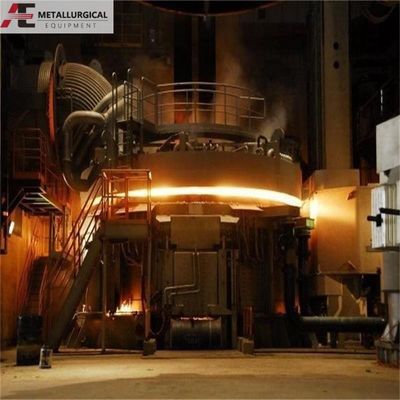
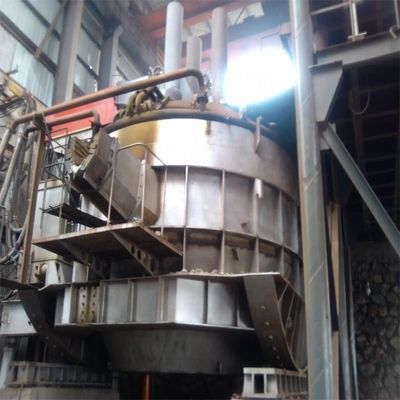
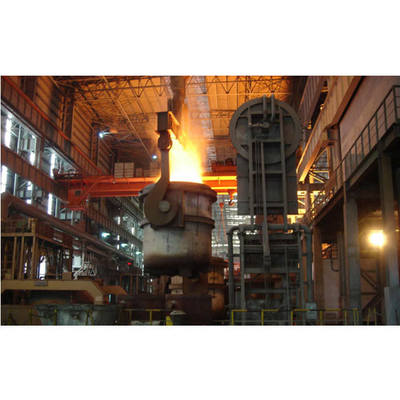
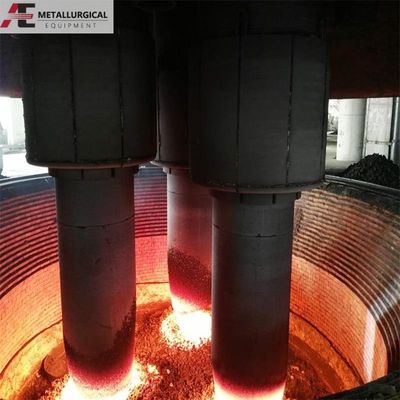
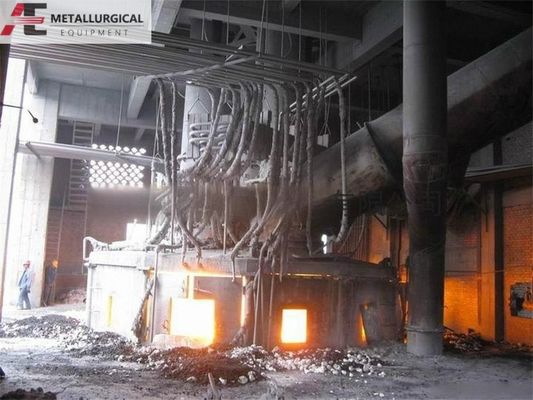
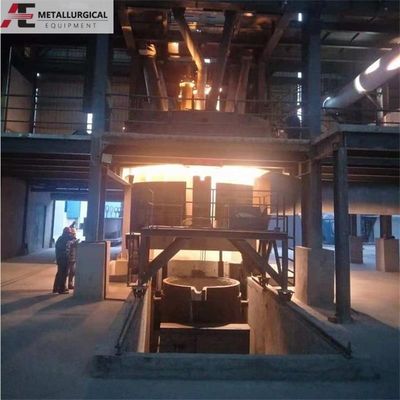
सनक बॉटम टैपिंग (EBT)इलेक्ट्रिक आर्क फर्नेसदक्षता और गुणवत्ता को अनुकूलित करने के लिए विशिष्ट परिचालन पद्धतियों को शामिल करता है। निम्नलिखित EBT फर्नेस संचालन के लिए अभिन्न पांच प्रमुख गलन प्रक्रियाओं की रूपरेखा देता है।
1. त्वरित गलन और ताप संचालन
यह इलेक्ट्रिक आर्क फर्नेस का प्राथमिक कार्य है, जो पहली स्क्रैप चार्ज के तुरंत बाद शुरू होता है। उद्देश्य स्क्रैप को पिघलाना और पिघले हुए स्टील को टैपिंग तापमान तक कम से कम समय में बढ़ाना है। EBT फर्नेस इसमें शामिल हैं:
अधिकतम शक्ति इनपुट: उच्चतम संभव दर पर विद्युत शक्ति की आपूर्ति करना।
ऑक्सी-ईंधन बर्नर सहायता: केंद्रित गर्मी देने के लिए बर्नर नोजल का उपयोग करना, स्क्रैप पिघलने में तेजी लाना।
ऑक्सीजन इंजेक्शन और सरगर्मी: ऑक्सीजन को डीकार्बराइज करने और ऊष्माक्षेपी गर्मी उत्पन्न करने के लिए उड़ाना, साथ ही स्नान को उत्तेजित करना।
बॉटम गैस सरगर्मी: तापमान और संरचना को समरूप करने के लिए झरझरा प्लग के माध्यम से अक्रिय गैस (जैसे, Ar, N₂) का इंजेक्शन लगाना।
फोमी स्लैग प्रैक्टिस: चाप स्थिरता और तापीय दक्षता में सुधार करने के लिए एक इन्सुलेट, फोमी स्लैग परत बनाना, जिससे हीटिंग में तेजी आती है।
2. डीफॉस्फोराइजेशन ऑपरेशन
EAF में फास्फोरस हटाने का प्रबंधन स्लैग ऑक्सीकरण (FeO सामग्री), बेसिसिटी (CaO/SiO₂ अनुपात), और तापमान को नियंत्रित करके किया जाता है। प्रमुख परिचालन रणनीतियों में शामिल हैं:
बढ़ा हुआ ऑक्सीजन इनपुट: प्रारंभिक स्लैग के FeO की मात्रा को बढ़ाने के लिए गहन ऑक्सीजन ब्लोइंग और ऑक्सी-ईंधन बर्नर का उपयोग, धातु से स्लैग में फास्फोरस के हस्तांतरण को बढ़ावा देना।
उच्च ऑक्सीकरण, बेसिक स्लैग का प्रारंभिक निर्माण: कम प्रारंभिक स्नान तापमान का उपयोग करना—जो डीफॉस्फोराइजेशन का पक्षधर है—जितनी जल्दी हो सके एक प्रभावी स्लैग बनाने के लिए।
स्लैग रिमूवल (स्लैग-ऑफ): प्रारंभिक फास्फोरस-समृद्ध स्लैग को तुरंत हटाना और इसे ताजे स्लैग से बदलना ताकि बाद में तापमान बढ़ने या टैपिंग के दौरान "फास्फोरस प्रतिगमन" (स्टील में P की वापसी) को रोका जा सके।
पाउडर इंजेक्शन: चूना (CaO) और फ्लोर्सपार (CaF₂) पाउडर को सीधे ऑक्सीजन वाहक धारा के साथ पिघले हुए पूल में इंजेक्ट करना। यह 80% तक डीफॉस्फोराइजेशन दर प्राप्त कर सकता है, साथ ही 50% के करीब डिसल्फराइजेशन दर भी प्राप्त कर सकता है।
स्लैग-फ्री टैपिंग (EBT एडवांटेज): EBT डिज़ाइन लाडल में न्यूनतम स्लैग कैरी-ओवर की अनुमति देता है। स्लैग की मात्रा को ~2 kg/t स्टील तक नियंत्रित करने से फास्फोरस प्रतिगमन काफी कम हो जाता है। 1% P₂O₅ युक्त स्लैग के साथ, फास्फोरस प्रतिगमन को ≤0.001% तक रखा जा सकता है।
लक्ष्य नियंत्रण: टैप पर अंतिम लक्ष्य फास्फोरस सामग्री को 0.02% से नीचे सेट किया जाता है, जिसमें बाद में मिश्र धातु और अंतिम उत्पाद विनिर्देशों पर विचार किया जाता है।
3. डीकार्बराइजेशन ऑपरेशन
EBT ऑपरेशन अक्सर कई महत्वपूर्ण उद्देश्यों के लिए उच्च-कार्बन चार्ज रणनीति का उपयोग करते हैं:
धातु लौह का संरक्षण: पिघलने के चरण में ऑक्सीजन ब्लोइंग के दौरान, कार्बन लौह की तुलना में प्राथमिकता से ऑक्सीकरण करता है, जिससे धातु की उपज का नुकसान (जलना) कम होता है।
कम गलनांक: कार्बन स्क्रैप के गलनांक को कम करता है, तरल पूल के निर्माण में तेजी लाता है।
बढ़ा हुआ स्नान उत्तेजना: कार्बन-ऑक्सीजन (C-O) प्रतिक्रिया CO गैस उत्पन्न करती है, जो पिघले हुए पूल को जोरदार ढंग से हिलाती है। यह स्लैग-मेटल प्रतिक्रियाओं को बढ़ावा देता है और प्रारंभिक डीफॉस्फोराइजेशन की सुविधा प्रदान करता है।
परिष्करण और शुद्धिकरण: परिष्करण/हीटिंग अवधि के दौरान, एक निरंतर, सक्रिय C-O प्रतिक्रिया (कार्बन उबाल) स्लैग-मेटल इंटरफेस का विस्तार करती है, आगे डीफॉस्फोराइजेशन में सहायता करती है, स्नान के तापमान और संरचना को समरूप करती है, और गैसों और समावेशन के प्लवनशीलता को बढ़ावा देती है।
फोमी स्लैग जनरेशन: CO गैस एक प्रभावी, इन्सुलेट फोमी स्लैग परत बनाने और बनाए रखने के लिए आवश्यक है, जो तापीय दक्षता और हीटिंग दरों में नाटकीय रूप से सुधार करती है।
4. मिश्र धातु संचालन
EBT अभ्यास में मिश्र धातु मुख्य रूप से टैपिंग के दौरान लाडल में की जाती है ("लाडल मिश्र धातु")। यह दृष्टिकोण अधिक नियंत्रण और उपज प्रदान करता है। प्रमुख सिद्धांत हैं:
लाडल एडिशन स्टैंडर्ड: अधिकांश फेरोअलॉय को स्टील स्ट्रीम में जोड़ा जाता है क्योंकि यह लाडल को भरता है।
विशिष्ट मिश्र धातुओं के लिए फर्नेस एडिशन: गैर-ऑक्सीकरण, उच्च-गलनांक वाले तत्व जैसे निकल (Ni), टंगस्टन (W), और मोलिब्डेनम (Mo) को पूर्ण विघटन सुनिश्चित करने के लिए सीधे फर्नेस में जोड़ा जा सकता है।
रिटेन स्टील ("एड़ी") पर विचार: स्टील रिटेंशन प्रैक्टिस का उपयोग करते समय, अगली गर्मी की संरचना पर पिछली गर्मी के अवशिष्ट धातु के रासायनिक प्रभाव की सावधानीपूर्वक गणना की जानी चाहिए।
तापमान प्रबंधन: बड़ी मिश्र धातु के अतिरिक्त के शीतलन प्रभाव की भरपाई के लिए टैपिंग तापमान को समायोजित किया जाना चाहिए। तापमान बनाए रखने और मिश्र धातु की उपज में सुधार करने के लिए उचित लाडल प्री-हीटिंग और पोस्ट-टैप हीटिंग (जैसे, लाडल फर्नेस के माध्यम से) महत्वपूर्ण हैं।
दो-चरण समायोजन: टैप के दौरान लाडल मिश्र धातु एक प्री-अलॉयिंग चरण है। अंतिम, सटीक संरचना ट्रिमिंग एक माध्यमिक परिष्करण स्टेशन (जैसे, लाडल फर्नेस) में पूरा किया जाता है। प्री-अलॉयिंग विनिर्देश सीमा के मध्य को लक्षित करता है ताकि सुचारू, नियंत्रित अंतिम समायोजन की अनुमति मिल सके।
5. तापमान नियंत्रण
सफलतापूर्वक सभी धातुकर्म प्रक्रियाओं को निष्पादित करने के लिए सटीक तापीय प्रबंधन मौलिक है। विभिन्न चरणों में विशिष्ट तापमान आवश्यकताएं होती हैं:
डीफॉस्फोराइजेशन: कम तापमान का पक्षधर है (जैसे, < 1550°C)। यह थर्मोडायनामिक लाभ है कि डीफॉस्फोराइजेशन पर प्रक्रिया में जल्दी जोर दिया जाता है, जो प्रारंभिक पिघलने के चरण के साथ मेल खाता है।
ऑक्सीकरण/परिष्करण: शुद्धिकरण और कुशल हीटिंग के लिए एक सक्रिय कार्बन-ऑक्सीजन उबाल बनाए रखने के लिए उच्च स्नान तापमान (आमतौर पर > 1550°C) की आवश्यकता होती है।
टैपिंग और डाउनस्ट्रीम प्रोसेसिंग: फर्नेस को टैपिंग, सेकेंडरी रिफाइनिंग (LF, VD), और कैस्टर में ट्रांसफर के दौरान तापीय नुकसान की भरपाई के लिए पर्याप्त सुपरहीट प्रदान करना चाहिए। आवश्यक प्रारंभिक फर्नेस तापमान विशिष्ट डाउनस्ट्रीम प्रक्रिया मार्ग और स्टील ग्रेड के आधार पर गणना की जाती है।
हम एक पेशेवर इलेक्ट्रिक फर्नेस निर्माता हैं। आगे की पूछताछ के लिए, या यदि आपको सबमर्ज्ड आर्क फर्नेस, इलेक्ट्रिक आर्क फर्नेस, लाडल रिफाइनिंग फर्नेस, या अन्य पिघलने वाले उपकरणों की आवश्यकता है, तो कृपया हमसे संपर्क करने में संकोच न करें susan@aeaxa.com


 आपका संदेश 20-3,000 अक्षरों के बीच होना चाहिए!